


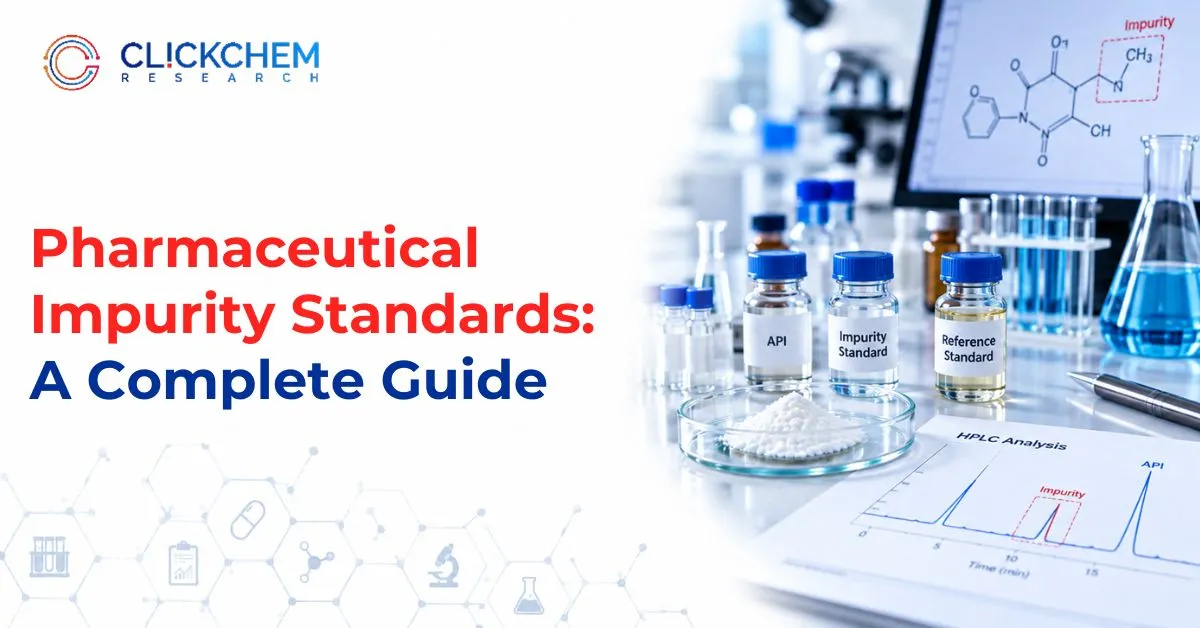
Pharmaceutical development requires careful monitoring of substances that may appear alongside the intended drug compound. These substances can originate during synthesis, processing, storage, or degradation and may affect product quality if they are not properly identified and controlled. This is why impurity testing is an important part of pharmaceutical quality control and analytical research. Pharmaceutical Impurity standards provide laboratories with characterized materials that can be used to identify, quantify, and study impurities present in pharmaceutical substances. Understanding their types, applications, and analytical importance helps manufacturers and research laboratories maintain consistent quality and support reliable testing throughout the drug development process.
What Are Pharmaceutical Impurity Standards?
Pharmaceutical impurity standards are characterized compounds used as analytical references for detecting and evaluating impurities associated with APIs and pharmaceutical products. A Pharmaceutical Impurity standard helps laboratories compare unknown substances against known materials during analytical testing.
These standards may include:
- Process-related impurities
- Degradation impurities
- API-related impurities
- Metabolite impurities
- Genotoxic impurities
- Nitrosamine impurities
The selection of an appropriate standard depends on the pharmaceutical compound, analytical method, and purpose of the investigation.
Why Are Impurity Standards Important?
During pharmaceutical development, impurities may need to be monitored at very low concentrations. Reliable reference materials help analysts establish the identity and quantity of specific impurities.
Using a suitable Pharmaceutical Impurity standard can support:
- Impurity profiling
- Analytical method development
- Method validation
- Stability studies
- Quality control testing
- Regulatory investigations
Accurate impurity standards can therefore contribute to consistent analytical results and better understanding of pharmaceutical products.
Types of Pharmaceutical Impurities
Different impurities can originate from different stages of pharmaceutical development and manufacturing.
| Impurity Type | Common Source | Analytical Purpose |
| Process-related impurities | Chemical synthesis | Process monitoring |
| Degradation impurities | Storage or stress conditions | Stability studies |
| API-related impurities | API manufacturing | Quality control |
| Metabolites | Biological processes | Research and characterization |
| Genotoxic impurities | Chemical processes | Safety assessment |
| Nitrosamine impurities | Certain manufacturing or storage conditions | Regulatory and quality investigations |
Understanding the source and characteristics of each impurity helps laboratories select suitable analytical standards.
How Are Impurity Standards Characterized?
Characterization is essential for establishing the identity and purity of an impurity standard. Depending on the compound and project requirements, analytical techniques can include HPLC, LC-MS, GC, NMR, FTIR, and HRMS. These techniques are particularly important when evaluating a Pharmaceutical Impurity and confirming its molecular mass, structural characteristics, purity, and chemical identity.
At Clickchem Research LLP, capabilities include impurity synthesis, purification, isolation, and analytical characterization for pharmaceutical research applications.
Looking for impurity synthesis, purification, or analytical characterization support?
Contact us to discuss your pharmaceutical research requirements.
Applications in Pharmaceutical Research
Impurity standards are used across several stages of pharmaceutical development. Laboratories may require them when developing analytical methods, investigating unexpected peaks, evaluating degradation products, or supporting stability studies.
They can also support pharmaceutical reference standards, quality control laboratories, regulatory investigations, and impurity profiling activities. Properly characterized materials provide a reliable basis for analytical comparison.
How to Select an Impurity Standard?
Before selecting an impurity standard, consider:
- Compound identity and structure
- Required purity
- Intended analytical application
- Available characterization data
- Quantity requirements
- Storage and handling conditions
- Documentation requirements
When selecting a standard for a Pharmaceutical Impurity, these factors should be evaluated carefully to ensure the material is suitable for the intended analytical application. Choosing an appropriate standard helps ensure that analytical testing remains consistent with the requirements of the project.
Frequently Asked Questions
What are pharmaceutical impurity standards?
They are characterized compounds used as analytical references to identify, quantify, and study impurities associated with pharmaceutical substances.
What are the main types of pharmaceutical impurities?
Common types include process-related impurities, degradation impurities, API-related impurities, metabolites, genotoxic impurities, and nitrosamine impurities.
Why are impurity standards used in pharmaceutical testing?
They provide known reference materials that help laboratories identify and quantify impurities during analytical testing and quality control.
Which techniques are used to characterize impurity standards?
Techniques may include HPLC, LC-MS, GC, NMR, FTIR, and HRMS, depending on the compound and characterization requirements.
Are impurity standards used for stability studies?
Yes. They can be used to identify and evaluate degradation products generated during stability and forced-degradation studies.
Conclusion
Pharmaceutical impurity standards play an important role in analytical testing, quality control, stability studies, and pharmaceutical research. They provide laboratories with characterized materials for comparing and evaluating impurities associated with APIs and drug products. Different impurity types can arise from synthesis, degradation, storage, or other processes, making appropriate analytical standards essential for reliable investigations. By using properly characterized Pharmaceutical Impurity standards, laboratories can support accurate identification, quantification, and evaluation of complex impurity compounds. Selecting standards based on identity, purity, analytical purpose, and documentation requirements can help laboratories obtain meaningful and reproducible analytical results.
 +91-8140031133